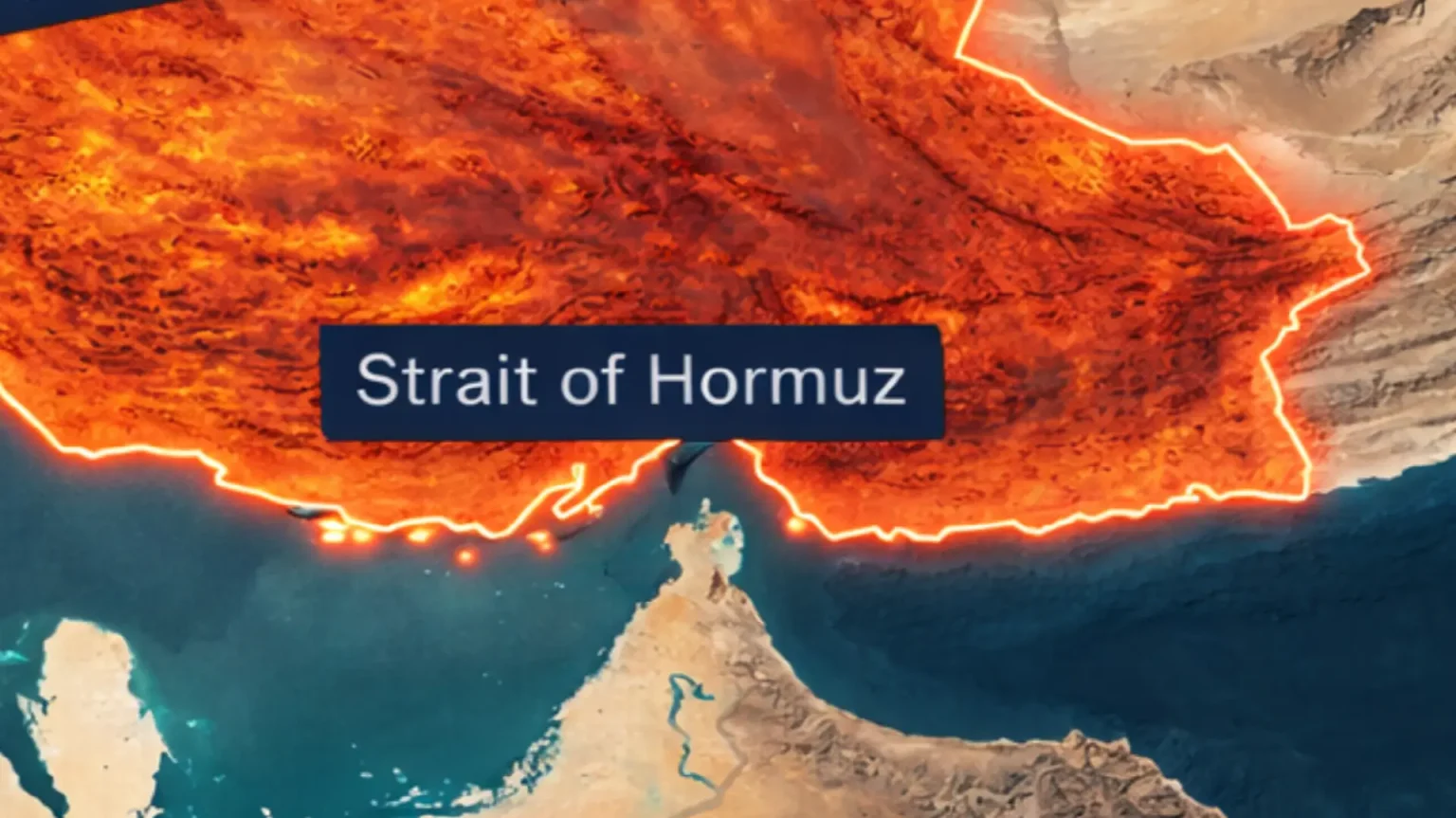
Oil prices climbed for a fourth consecutive day on Wednesday as growing tensions between Iran and the United States disrupted tanker traffic through the strategically important Strait of Hormuz.
Brent crude rose to around $91.53 per barrel, while West Texas Intermediate (WTI) traded near $85.47 per barrel, according to the report. The continued increase reflects growing concerns about the flow of oil through one of the world’s most important energy routes.
Fresh tanker tracking data showed that shipping activity through the Strait of Hormuz had declined further. The slowdown has added pressure to global oil markets as traders assess the potential impact of reduced energy shipments.
The Strait of Hormuz is a critical passage for international oil transportation. Any prolonged disruption in the waterway can create concerns about supply availability and contribute to higher crude prices in global markets.
The latest price increase comes as relations between Washington and Tehran remain highly strained. Both sides have continued exchanging hostile rhetoric, while there has been little indication of an immediate return to negotiations.
US President Donald Trump has maintained that the Strait of Hormuz remains open. Iran, however, says the waterway is shut, creating uncertainty over the actual status of maritime traffic in the region.
The conflicting positions have increased uncertainty for tanker operators, energy companies, and international markets. Shipping firms may also face additional risks and operational challenges if tensions continue to escalate around the waterway.
The rise in crude prices is particularly significant for countries that depend heavily on imported energy. Higher international oil prices can increase fuel costs and place additional pressure on transportation, electricity generation, and other parts of the economy.
For consumers, a sustained increase in crude prices could eventually translate into higher petroleum product prices if elevated global rates continue. Governments and businesses may also have to adjust to increased energy and transportation expenses.
Market participants are closely monitoring tanker movements and developments involving Iran and the United States. Any further reduction in shipping through the Strait of Hormuz could increase concerns about global oil supplies and potentially push prices higher.
At the same time, a restoration of normal tanker traffic or a reduction in regional tensions could ease some of the pressure on crude markets. For now, however, uncertainty surrounding the waterway remains a major factor influencing oil prices.
With Brent crude approaching the $92-per-barrel level, the Strait of Hormuz has once again become a major focus for global energy markets. Traders will continue watching shipping data, diplomatic developments, and statements from Washington and Tehran for signs of where oil prices could move next.