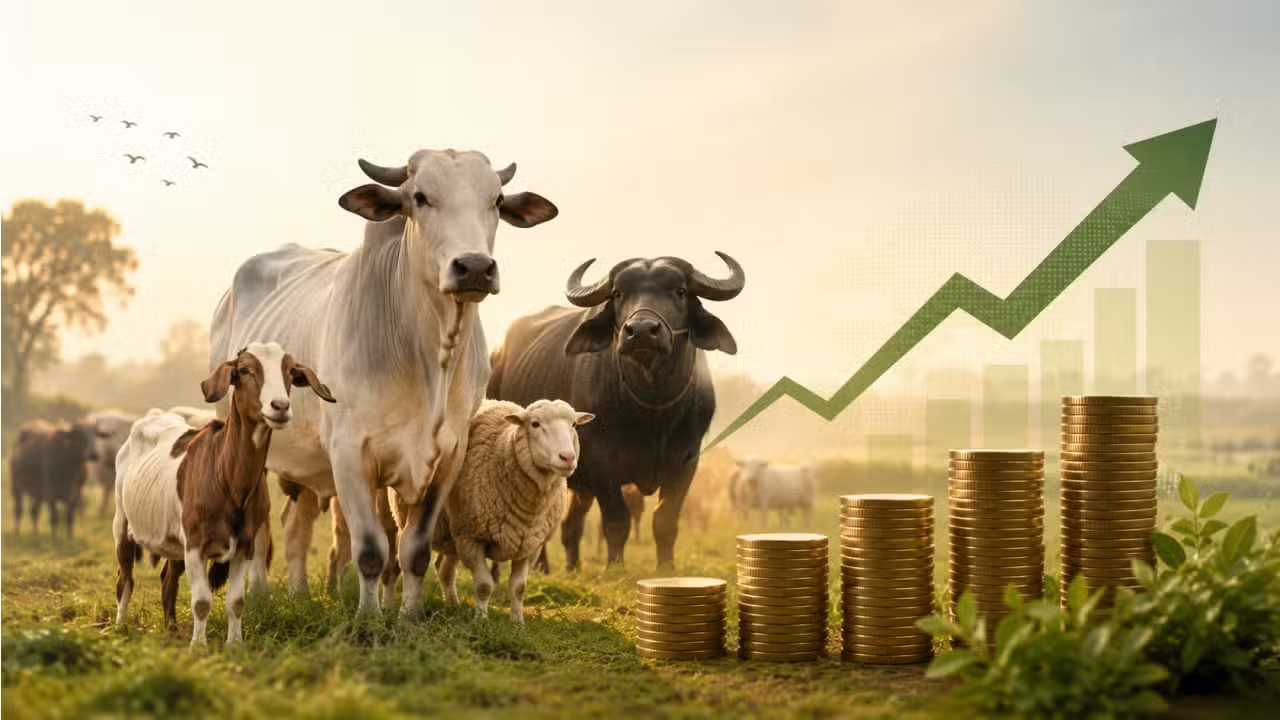
Pakistan’s dairy industry has the potential to become a much larger contributor to the national economy if a significant portion of its informal market is brought into the formal sector.
Pakistan Dairy Association Chairman Usman Zaheer Ahmed said the country could potentially generate nearly Rs. 500 billion in additional annual government revenue by formalizing and taxing the dairy business.
According to Ahmed, even bringing half of the informal dairy sector into the documented economy could produce around Rs. 250 billion in yearly revenue if a minimum tax rate of 5 percent is applied.
The potential revenue could rise to almost Rs. 500 billion if the broader informal dairy market is successfully incorporated into the formal economy.
Ahmed made the remarks during the Pakistan Agricultural Coalition’s Agri Connections Conference and Expo at the Lahore Expo Center. The event brought together government officials, agricultural experts and industry representatives to discuss opportunities and challenges across Pakistan’s agriculture sector.
Discussions at the event covered several areas, including agricultural investment, financing, livestock development, exports, technology and efforts to improve the productivity of the country’s farming and livestock industries.
The dairy sector remains an important part of Pakistan’s agriculture-based economy, supporting millions of farmers, livestock owners, traders and other participants across the supply chain. However, a large share of dairy-related economic activity continues to operate outside formal documentation and taxation systems.
Formalization could therefore create a wider tax base while also improving transparency across the dairy supply chain. Better documentation could help authorities understand the actual scale of production, distribution and sales within the industry.
For dairy businesses and farmers, greater formalization could also create opportunities to access organized financing, modern technology and institutional markets. These factors can play an important role in improving productivity and reducing inefficiencies.
The sector also has potential beyond domestic revenue generation. A stronger and more organized dairy industry could support value-added production, improve processing standards and create opportunities for increased exports of dairy products.
Industry stakeholders have increasingly highlighted the importance of investment and modern technology in agriculture and livestock. Improvements in cold-chain infrastructure, processing facilities, animal health services and farm management could help reduce losses and increase the value generated across the dairy supply chain.
However, bringing informal businesses into the documented economy would require practical policies that encourage participation while maintaining a sustainable tax environment. Effective implementation, simplified registration processes and improved access to financial services could influence how successfully the sector transitions toward greater formalization.
The revenue estimates presented by the Pakistan Dairy Association highlight the scale of the opportunity. If the informal dairy market can be gradually integrated into the formal economy, the sector could provide a significant new source of government revenue while supporting broader development in agriculture and livestock.
For Pakistan, the formalization of dairy businesses could therefore serve two purposes: expanding the documented tax base and strengthening one of the country’s major agricultural industries.