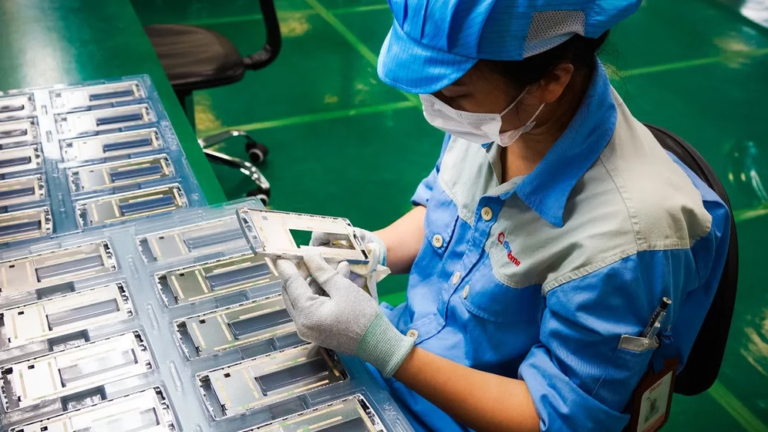
Pakistan is preparing to take a major step toward industrial transformation with the finalization of the Mobile and Electronic Device Manufacturing Policy for 2026–2033. The policy, which is set to be presented to the Prime Minister, outlines a clear roadmap to shift the country from basic assembly operations to full-scale electronics manufacturing.
This strategic move reflects the government’s ambition to strengthen local industry, reduce reliance on imports, and position Pakistan as a competitive player in the global electronics supply chain. Officials say the policy focuses on long-term growth rather than short-term assembly-based gains.
During a briefing on the policy, officials highlighted that it covers a wide range of products, including mobile phones, laptops, and other electronic devices. The framework aims to create an enabling environment for both international and domestic manufacturers to invest in advanced production facilities.
Special Assistant to the Prime Minister Haroon Akhtar Khan stated that the policy was developed after extensive consultations with industry stakeholders. These discussions included local manufacturers, international brands, and relevant experts to ensure that the framework addresses practical challenges and market realities.
The policy emphasizes value addition within Pakistan by encouraging companies to move beyond simple assembly lines. By promoting component manufacturing, design capabilities, and advanced production processes, the government hopes to build a sustainable electronics ecosystem.
One of the key objectives is to attract global electronics brands to establish manufacturing plants in Pakistan. Incentives and regulatory support are expected to play a central role in making the country an attractive destination for foreign investment in the electronics sector.
At the same time, the policy aims to empower local brands by enabling them to expand and modernize their manufacturing capacity. Supportive measures are designed to help domestic companies scale up operations, improve quality standards, and compete in international markets.
Exports form a critical pillar of the new manufacturing strategy. By boosting local production and improving competitiveness, Pakistan aims to increase electronics exports and earn valuable foreign exchange over the policy period.
Industry experts believe that a shift toward full-scale manufacturing could have wide-ranging economic benefits. These include job creation, technology transfer, skills development, and the growth of supporting industries such as logistics and components supply.
The policy also aligns with Pakistan’s broader economic vision of industrial diversification and export-led growth. Strengthening the electronics sector is seen as a key step toward reducing the trade deficit and building a resilient industrial base.
If implemented effectively, the 2026–2033 electronics manufacturing policy could mark a turning point for Pakistan’s industrial landscape. The transition from assembly to manufacturing signals a move toward higher value production and a more competitive role in the global technology market.