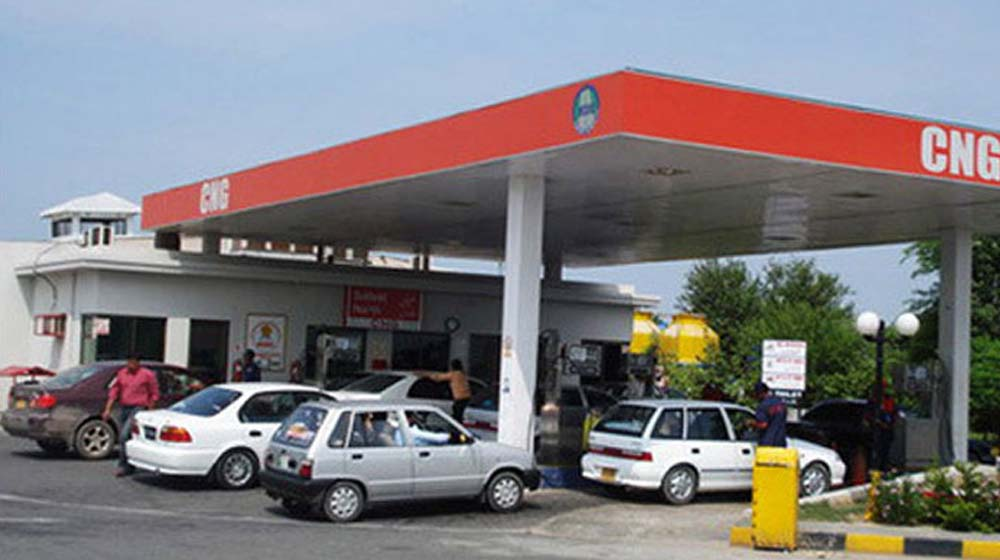
The federal government has decided not to restore gas supply to Compressed Natural Gas (CNG) stations in Khyber Pakhtunkhwa, according to official sources. The development is expected to impact transport operators and daily commuters across the province who rely heavily on CNG as a cost-effective fuel option.
Sources revealed that KP Finance Adviser Muzammil Aslam reached out to Federal Petroleum Minister Ali Pervaiz Malik to discuss the issue. The conversation aimed to explore the possibility of resuming gas supply to CNG stations, which have been facing prolonged closures due to supply constraints. However, the response from the federal authorities indicated that restoration is not currently under consideration.
Following the discussion, Muzammil Aslam briefed the provincial leadership, including the chief minister, on the federal government’s stance. The refusal has raised concerns within the provincial administration, particularly regarding its economic and social implications. Transporters, in particular, may face increased operational costs as they shift to alternative fuels such as petrol and diesel.
The decision comes amid ongoing energy challenges in Pakistan, where gas shortages continue to affect multiple sectors. Authorities at the federal level have been prioritizing domestic consumers and key industries, especially during periods of limited supply. This prioritization often leaves sectors like CNG stations with reduced or suspended allocations.
Stakeholders in Khyber Pakhtunkhwa have expressed frustration over the move, arguing that the suspension of gas supply disrupts livelihoods and increases financial pressure on the public. CNG has long been considered a cheaper and relatively cleaner alternative to traditional fuels, making it a popular choice in urban and semi-urban areas.
Energy experts suggest that the issue reflects broader structural challenges within the country’s gas distribution system. Limited reserves, rising demand, and infrastructure constraints continue to strain supply management. Without significant reforms or increased imports, such supply decisions are likely to persist.
The situation also highlights the need for a long-term strategy to address energy shortages and ensure equitable distribution across provinces. Policymakers may need to consider alternative solutions, including investment in renewable energy and improved efficiency in gas utilization.
For now, CNG station owners and consumers in KP will have to navigate the ongoing disruption, with no clear timeline for restoration. The federal government’s position signals a continuation of strict resource management as it balances competing energy demands across the country.