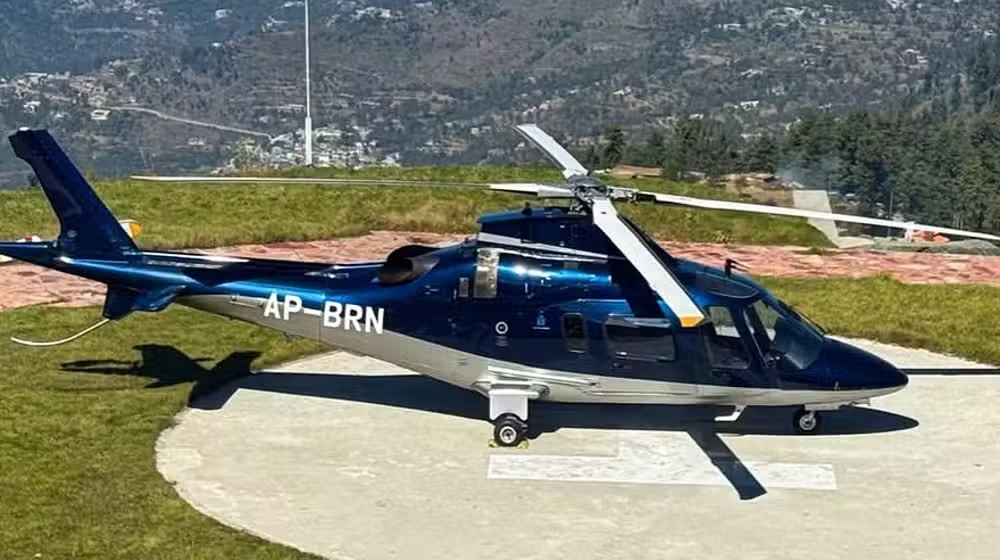
Pakistan may soon introduce private helicopter services in its northern mountainous regions, a move expected to improve tourism access and strengthen emergency rescue capabilities. The development could significantly enhance travel options for tourists, climbers, and trekkers visiting remote high-altitude destinations.
According to officials from the Alpine Club of Pakistan, private helicopter operations could begin as early as April or May this year. The initiative aims to provide faster and safer transportation to some of the country’s most challenging mountainous areas.
President of the organization, Major General (Retd) Irfan Arshad, shared details of the plan during a recent interview. He explained that introducing private helicopter services would not only improve travel access for tourists but also enhance rescue operations for mountaineers exploring Pakistan’s northern ranges.
Pakistan’s northern areas, including regions such as Gilgit-Baltistan and Skardu, attract thousands of international and domestic adventurers every year. These regions are home to some of the world’s highest peaks and challenging trekking routes, making efficient rescue and transport infrastructure essential.
Currently, helicopter operations in the country’s mountainous terrain are largely managed by Pakistan Army Aviation. These flights are primarily focused on emergency rescue missions for climbers, trekkers, and residents in remote areas.
Arshad noted that while military aviation has played a vital role in high-altitude rescues, private helicopter services could provide additional support and flexibility. By allowing commercial operators to participate, authorities hope to improve response times and expand access to remote destinations.
Tourism experts believe that the introduction of private helicopter services could significantly benefit Pakistan’s adventure tourism sector. Quick aerial transport could allow visitors to reach remote valleys, glaciers, and base camps more efficiently, reducing travel time that often takes days by road or trekking.
Improved helicopter access could also benefit mountaineering expeditions heading toward major peaks in the region, including K2 and Nanga Parbat. Faster emergency response options are considered crucial for climbers facing altitude sickness, injuries, or sudden weather changes.
In addition to tourism, the proposed helicopter services could also play a key role in disaster response and emergency evacuations. Mountain regions frequently face natural challenges such as landslides, avalanches, and extreme weather conditions, where aerial support can make a critical difference.
Authorities and tourism stakeholders are hopeful that the initiative will encourage more visitors to explore Pakistan’s northern landscapes while improving safety for adventure travelers.
If implemented as planned, the launch of private helicopter operations could mark an important step toward modernizing tourism infrastructure in the country’s mountainous regions and strengthening support systems for climbers and trekkers.