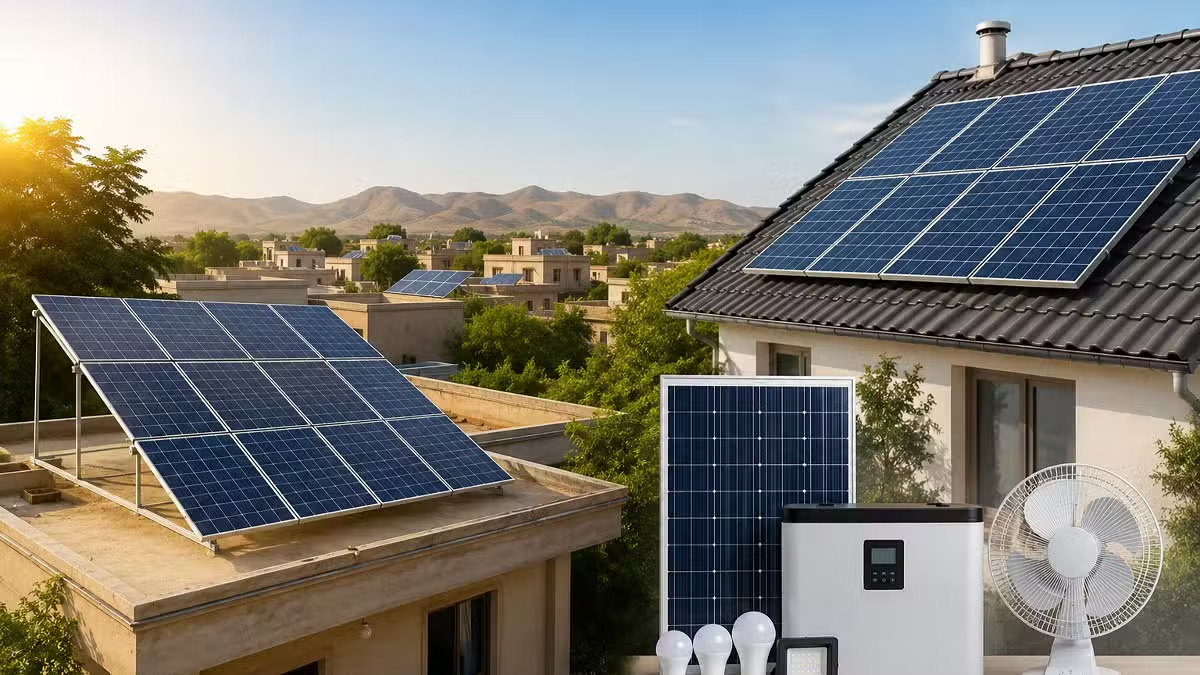
Pakistan’s renewable energy landscape is undergoing a major transformation as more solar system owners choose battery storage over exporting surplus electricity to the national grid. The trend has accelerated following revisions to the country’s net billing rules, prompting households and businesses to maximize self-consumption while reducing reliance on the power network.
The growing preference for battery storage has surprised policymakers and energy stakeholders, leading to a sharp increase in battery imports and private investment across Pakistan. Industry experts believe the shift reflects changing consumer behavior as solar users seek greater energy independence and long-term savings.
According to the latest Pakistan Battery Import Market Report, the country imported batteries with a combined storage capacity of 6.004 gigawatts between January 2024 and August 2026. The figures highlight the rapid expansion of Pakistan’s energy storage market as demand for battery-backed solar systems continues to rise.
Battery imports reached their highest level in April 2026, when products with a total storage capacity of 652.2 megawatts entered the country. The surge demonstrates how quickly consumers are adapting to the revised net billing framework by investing in technologies that allow them to store excess electricity instead of feeding it back into the national grid.
The report further revealed that Pakistanis invested approximately Rs. 126 billion in battery storage systems during April alone. This significant spending reflects growing confidence in battery technology as an essential component of residential and commercial solar installations.
Previously, many solar users relied on net billing arrangements that allowed them to export surplus electricity to the grid and receive financial credits on their electricity bills. However, recent policy adjustments have encouraged many consumers to prioritize storing excess energy for personal use, especially during evening hours or periods of high electricity demand.
Battery storage offers several practical advantages. It enables homeowners to utilize solar-generated electricity after sunset, reduces dependence on grid power during outages, and provides greater control over electricity consumption. As electricity prices remain a concern for many households, storing self-generated energy has become an increasingly attractive financial decision.
The trend also reflects Pakistan’s expanding adoption of renewable energy technologies. Falling battery prices, improved storage efficiency, and wider availability of advanced lithium-based systems have made battery installations more accessible to consumers seeking long-term energy security.
Energy analysts note that the rapid increase in battery adoption could reshape electricity demand patterns across the country. If more consumers rely on stored solar energy instead of exporting excess power, utilities may need to adjust future planning for grid management, electricity distribution, and energy procurement.
While the transition supports greater energy independence for consumers, it also presents new challenges for policymakers. Authorities may need to review future energy policies to ensure that distributed renewable energy systems, battery storage, and the national electricity grid continue to operate in a balanced and sustainable manner.
The growing battery market could also create opportunities for local manufacturing, technology partnerships, and investment in Pakistan’s clean energy sector. Increased demand may encourage businesses to establish domestic assembly facilities, generate employment, and strengthen the country’s renewable energy supply chain.
As Pakistan continues expanding its solar capacity, battery storage is emerging as a key pillar of the country’s energy transition. The latest import figures indicate that consumers are increasingly prioritizing energy resilience and cost efficiency, signaling a new phase in Pakistan’s renewable energy journey.