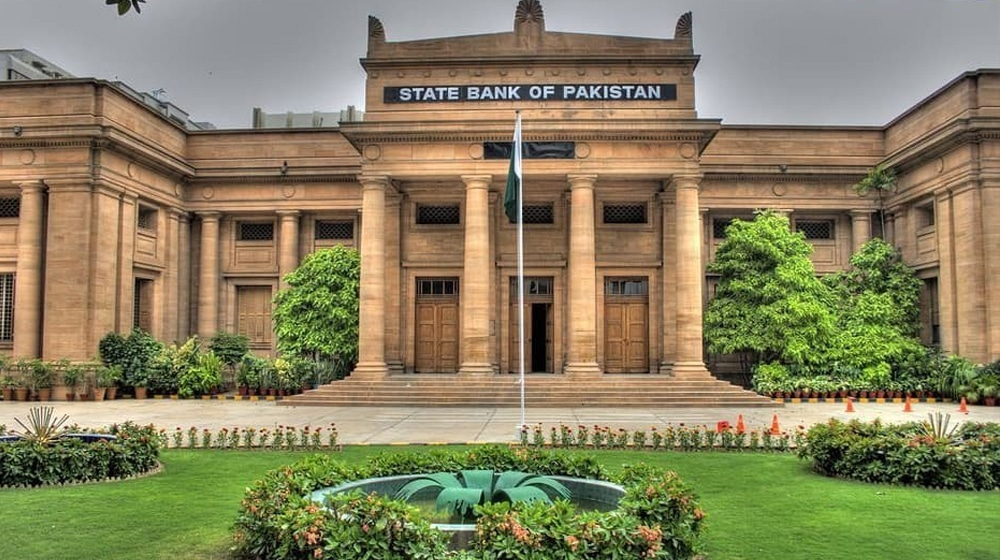
The State Bank of Pakistan has confirmed a major development regarding the country’s currency system, announcing that the designs of new banknotes have been finalized. Governor State Bank Jameel Ahmad shared that the proposed designs have already been approved by the State Bank Board and forwarded to the Ministry of Finance for further action.
The update was given during a meeting of the Senate Standing Committee on Finance, where lawmakers discussed currency reforms and broader economic concerns. According to the governor, the new currency notes will only be issued once the federal government gives its formal approval, making the final decision a policy matter rather than a technical one.
Addressing speculation surrounding high-denomination notes, the governor categorically stated that there is no proposal under consideration to discontinue the Rs. 5,000 note. This clarification is likely to reassure businesses and individuals who rely on large cash transactions, especially in sectors where digital payments remain limited.
While details of the new designs were not disclosed during the meeting, the move signals progress toward modernising Pakistan’s currency framework. Currency redesigns are often linked with improved security features, enhanced durability, and efforts to curb counterfeiting, all of which remain key concerns for central banks globally.
The Senate committee meeting also saw intense discussion on taxation policies, particularly the super tax. Senator Abdul Qadir raised serious concerns over the financial pressure placed on taxpayers, questioning how individuals and businesses could be expected to pay super tax liabilities covering multiple years in a single stretch.
He warned that such heavy demands could push investors and skilled professionals to consider relocating abroad. Senator Qadir also criticised the Federal Board of Revenue’s enforcement methods, describing them as harassment, and suggested a more practical approach of collecting the tax through instalments spread over two to three years.
Senator Sherry Rehman echoed similar concerns, noting that while the constitutional court has ruled that imposing a super tax falls within parliament’s authority, the repeated burden on the same group of taxpayers is economically unsustainable. She cautioned that relying on a narrow tax base to increase revenue only deepens financial stress in the long run.
In response, the Chairman of the Federal Board of Revenue acknowledged the concerns and stated that the FBR may consider allowing instalments for super tax payments in specific cases. He disclosed that super tax collections have so far reached Rs. 217 billion, reflecting its significant contribution to government revenue.
The chairman also revealed that outreach efforts through phone calls and text messages had expanded the tax net by one million new registered taxpayers. The finance minister, present at the meeting, remarked that he had personally received such a message, highlighting the scale of the campaign.
Overall, the session underscored two critical developments: progress toward new currency notes and growing debate over tax enforcement. Together, these discussions reflect the broader challenges Pakistan faces in balancing economic reform, revenue generation, and public confidence.