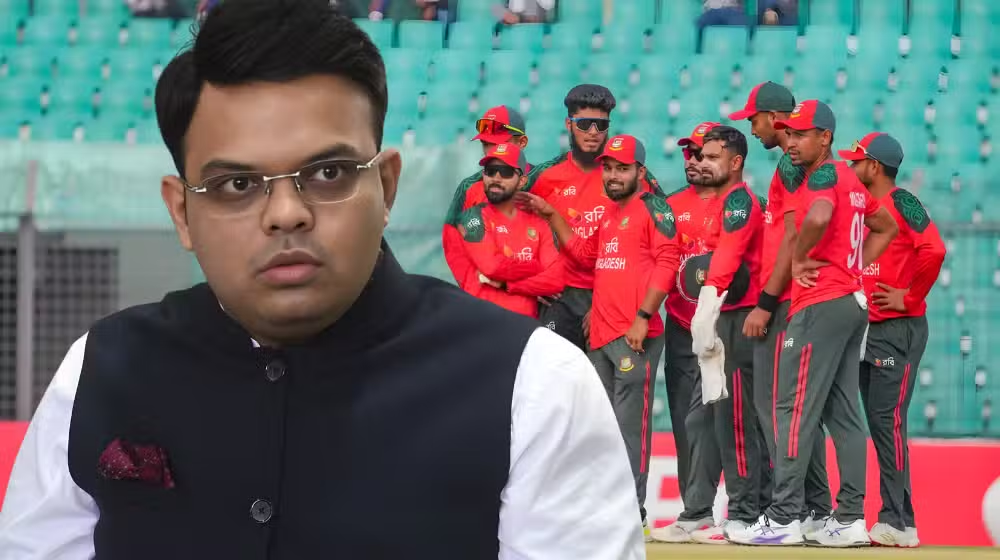
Bangladesh has officially announced that it will boycott the ICC T20 World Cup, citing serious security concerns surrounding the tournament. The decision marks a major development in international cricket and is expected to have significant implications for the event’s competitiveness and scheduling.
According to reports from Bangladeshi media, the Bangladesh national cricket team will not travel to India to participate in the tournament. The announcement was made after extensive internal discussions and consultations with players, team management, and relevant stakeholders.
The decision was formally confirmed by Bangladesh’s Youth and Sports Adviser, Asif Nazarul Islam, who stated that player safety remains the top priority for the government and cricket authorities. He emphasized that the move was taken after carefully assessing the prevailing situation and listening to concerns raised by members of the squad.
Sources indicate that several players had expressed unease about travel and on-ground security arrangements, prompting officials to reassess Bangladesh’s participation. Following these consultations, the government-backed sports advisory body concluded that the risks outweighed the benefits of taking part in the tournament under the current circumstances.
The boycott is likely to create challenges for the International Cricket Council (ICC), as Bangladesh is a full-member nation and a regular participant in global tournaments. Their withdrawal could affect group compositions, broadcasting commitments, and the overall structure of the competition. The ICC has not yet issued an official response but is expected to engage with Bangladesh Cricket Board officials in the coming days.
Cricket analysts believe the decision could also open discussions about contingency planning for major tournaments, particularly when geopolitical or security-related concerns arise. In recent years, international cricket has increasingly faced challenges related to travel safety, diplomatic tensions, and logistical complexities, especially when tournaments are hosted in politically sensitive environments.
The move has sparked widespread debate among fans and former players across South Asia. While some have expressed disappointment at Bangladesh’s absence from a marquee event, others have supported the decision, arguing that player welfare should always take precedence over sporting commitments.
Bangladesh’s cricket team has been steadily improving its T20 performances in recent years, and their absence will be felt both competitively and commercially. The team has a large fan following, and its participation often adds excitement and unpredictability to global tournaments.
For now, Bangladeshi authorities have maintained that the decision is final unless there is a substantial change in circumstances. They reiterated that the country remains committed to international cricket but will not compromise on safety considerations.
As the ICC T20 World Cup approaches, attention will now turn to how organizers respond to Bangladesh’s withdrawal and whether alternative arrangements, such as replacement teams or schedule adjustments, will be announced.