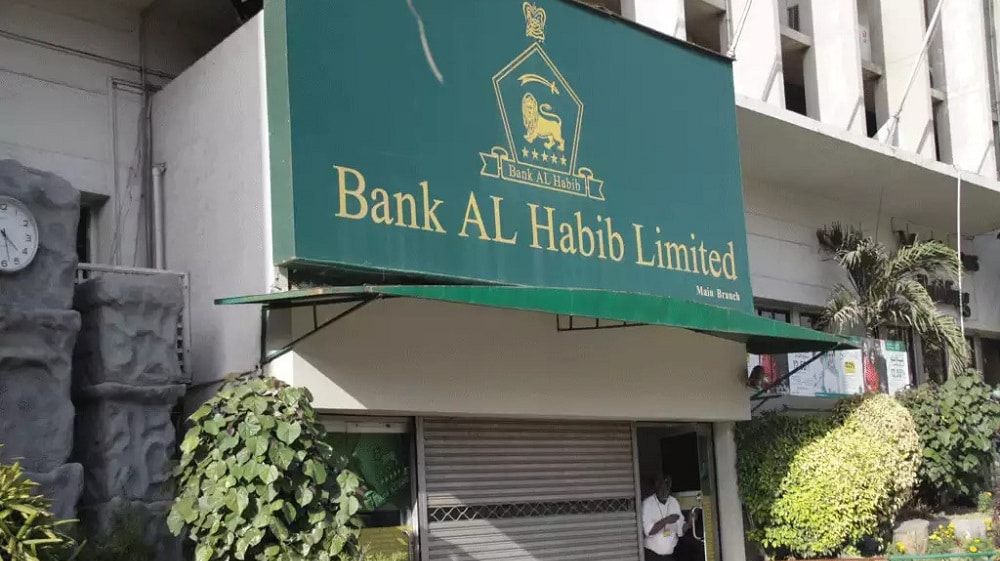
Bank Al Habib (PSX: BAHL) has reported a consolidated profit-after-tax (PAT) of Rs. 32.46 billion for 2025, marking a 23 percent year-on-year decline. The drop in earnings has been attributed to a reduction in the policy rate and increased operating expenses during the year.
The banking sector has been adjusting to a changing interest rate environment, and lower policy rates have directly impacted net interest income. For Bank Al Habib, this shift reduced margins, contributing to the overall decline in profitability compared to 2024.
Alongside the annual results, the bank announced a final cash dividend of Rs. 4.5 per share for the fourth quarter of 2025. This brings the total dividend per share (DPS) for the year to Rs. 15.0, down from Rs. 17.0 distributed in 2024, reflecting the impact of reduced earnings.
For the fourth quarter of 2025 alone, BAHL posted consolidated earnings of Rs. 5.8 billion, translating into earnings per share (EPS) of Rs. 5.20. This represents a 23 percent decline compared to the same period last year and a 16 percent drop on a quarter-on-quarter basis.
According to Topline Securities, the fourth-quarter results fell short of industry expectations. The brokerage highlighted higher-than-anticipated operating expenses as a key factor behind the weaker performance, which put additional pressure on bottom-line figures.
The combination of lower interest rates and rising operational costs has created a challenging environment for banks across Pakistan. As policy rates ease, financial institutions typically face compression in spreads, while fixed and administrative costs continue to weigh on profitability.
Despite the decline in annual profit, Bank Al Habib remains one of the established players in Pakistan’s banking sector. Investors will closely monitor how the bank manages cost controls and adapts to evolving monetary policy conditions in 2026.
Going forward, performance will largely depend on interest rate trends, asset quality, and the bank’s ability to diversify revenue streams. Market participants are expected to assess whether cost rationalization measures and potential improvements in non-interest income can help stabilize earnings in the coming quarters.