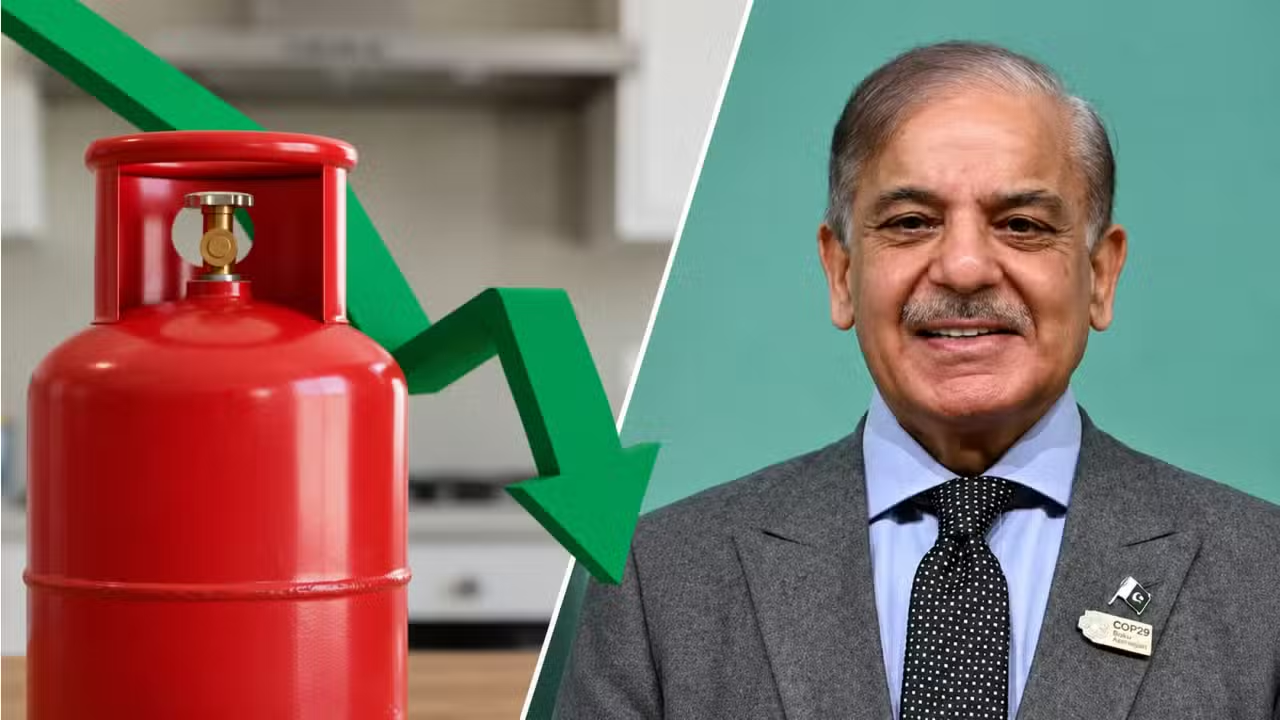
Pakistan has announced a major change in its liquefied petroleum gas (LPG) allocation policy, ending a decades-old distribution arrangement and introducing a competitive bidding system for locally produced supplies. Prime Minister Shehbaz Sharif said the revised mechanism would promote transparency, encourage competition, and help create a more open market for LPG distribution.
The decision comes as the government prepares for increased energy consumption during the upcoming winter season. LPG remains an important fuel source for households, businesses, and industries, particularly in areas where natural gas connections are unavailable or supply remains limited.
Chairing a federal cabinet meeting on Wednesday, Prime Minister Shehbaz Sharif said the government was taking several measures to maintain uninterrupted supplies of essential energy resources, including liquefied natural gas (LNG), LPG, and petroleum products.
He highlighted that international energy prices and difficulties affecting maritime shipping routes had created additional challenges for energy-importing countries. Despite these pressures, the government was working to ensure that domestic consumers continued receiving essential fuel supplies.
Under the revised LPG allocation framework, locally produced gas will be distributed through competitive auctions instead of the previous allocation arrangement. The government expects the new approach to reduce the influence of established market players and provide more companies with an opportunity to participate in the sector.
The introduction of open bidding could also improve transparency in the allocation of locally produced LPG. By allowing companies to compete for available supplies, authorities aim to establish a more competitive environment and improve the overall distribution process.
The LPG sector plays an important role in Pakistan’s energy landscape. Millions of households rely on LPG cylinders for cooking and other domestic needs, especially in rural communities and locations that are not connected to the national natural gas network.
Demand for LPG generally increases during winter as temperatures fall and household energy requirements rise. Maintaining adequate supplies during this period is therefore an important challenge for policymakers and energy authorities.
The government’s latest decision is also significant because Pakistan continues to face pressure from changing international energy markets. Higher global fuel prices, supply disruptions, and transportation challenges can affect the country’s energy costs and availability.
By changing the allocation mechanism for locally produced LPG, the government is attempting to improve the way domestic resources enter the market. Greater competition may encourage more efficient distribution and provide opportunities for new businesses to participate.
However, the actual impact of the policy will depend on how effectively the auction system is implemented. Transparent bidding procedures, fair access for eligible companies, and proper regulatory oversight will be important to achieving the government’s objectives.
Consumers will also be watching whether the new arrangement translates into more reliable supplies and reasonable LPG prices. Increased competition could improve market efficiency, although lower consumer prices are not guaranteed without effective monitoring and a balanced supply chain.
The announcement represents an important development in Pakistan’s energy sector as the country prepares for higher winter demand and continues to manage international fuel market uncertainties.
The coming months will provide a clearer picture of how the competitive bidding mechanism affects LPG distribution, market participation, and the availability of fuel for domestic consumers across Pakistan.