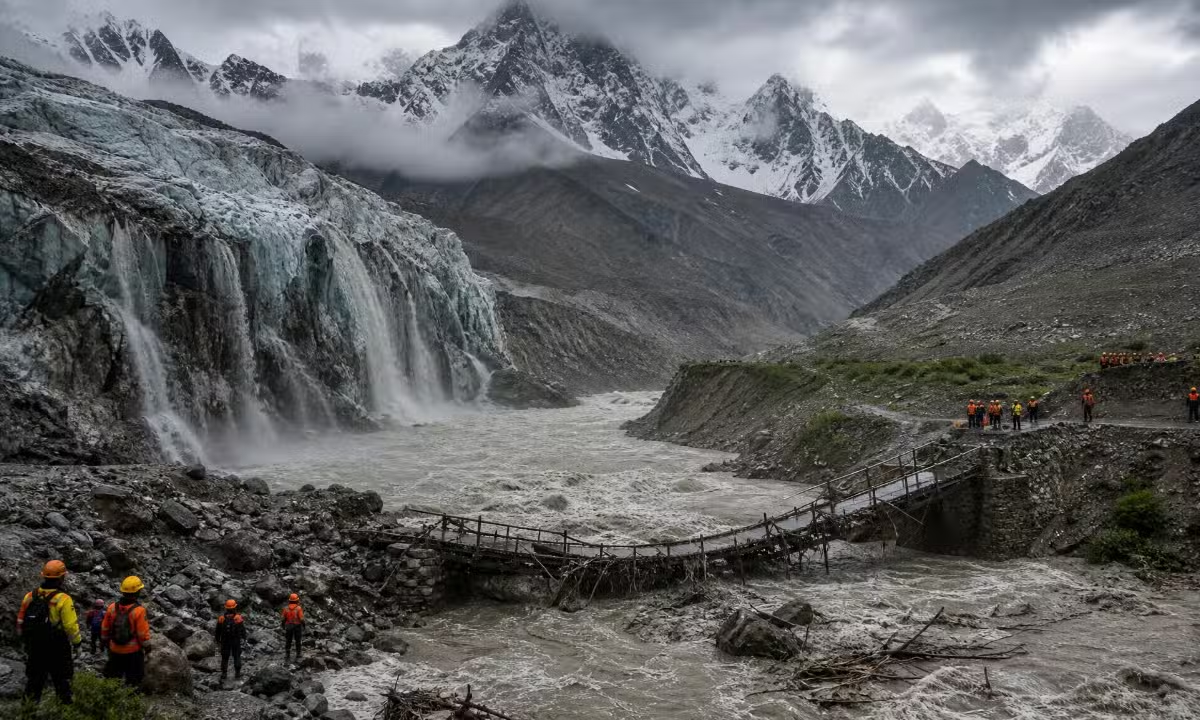
Pakistan has developed a climate forecasting system capable of providing outlooks up to 12 months in advance, marking a potential step forward in the country’s efforts to prepare for climate-related risks. The development comes as authorities look for better ways to protect communities, strengthen disaster management and reduce the economic impact of extreme weather.
Finance Minister Muhammad Aurangzeb discussed the forecasting system and plans to enhance its capabilities during a meeting on October 23 with outgoing National Disaster Management Authority (NDMA) Chairman Lieutenant General Inam Haider Malik and incoming Chairman Lieutenant General Hasan Khattak.
The meeting focused on the challenges Pakistan faces from climate change and the need to improve national preparedness. Longer-range climate information could help officials plan ahead, identify potential risks and make better decisions about emergency resources.
Aurangzeb described climate change and population growth as two existential challenges for Pakistan. He highlighted their potential effects on economic stability, food security, communities and public finances.
Pakistan is vulnerable to several climate-related hazards, including floods, extreme rainfall, droughts and rising temperatures. These events can damage roads and buildings, disrupt farming activities, threaten water supplies and force families to leave their homes.
A forecasting system that provides climate outlooks up to a year ahead could support planning across multiple sectors. Depending on its accuracy and capabilities, the information may help authorities prepare for possible periods of unusual rainfall, assess agricultural risks and strengthen water management strategies.
It could also support disaster management agencies in developing contingency plans and identifying areas that may require additional attention. Earlier planning can give public institutions more time to coordinate resources before a potential emergency develops.
However, long-range climate forecasting should not be confused with predicting the exact weather for a particular day. Climate outlooks generally estimate the likelihood of broader patterns, such as above-average temperatures or changes in rainfall, over a defined period.
This distinction is important when assessing claims about predicting natural disasters months in advance. A climate outlook may indicate conditions associated with increased risk, but it does not necessarily establish the exact date, location or severity of a future flood, drought or other disaster.
The system’s practical value will depend on its scientific reliability, the types of forecasts it produces and how effectively government agencies use the information. Independent assessments of its accuracy and performance would help clarify the benefits it can deliver.
Aurangzeb also said Pakistan’s climate challenges were discussed with international partners during the recent annual meetings of the International Monetary Fund (IMF) and the World Bank. These discussions underline the importance of climate resilience in economic planning and international cooperation.
Climate-related disasters can place considerable pressure on public finances. Governments may need to spend heavily on emergency assistance, rebuilding infrastructure and restoring essential services after major weather events.
Agriculture is another important area of concern. Changes in rainfall and temperature can affect crop yields, livestock and farmers’ incomes. Better climate information may help farmers and policymakers make more informed decisions about planting schedules, irrigation and the management of available resources.
The NDMA remains central to coordinating disaster preparedness and response in Pakistan. Cooperation between the authority, weather forecasting agencies, provincial administrations and local emergency services will be essential to turn climate information into practical action.
Effective early-warning systems also require clear communication. Even when forecasts identify potential risks, communities need timely alerts, accessible guidance and well-organised emergency plans to prepare appropriately.
Pakistan’s reported 12-month climate forecasting capability could contribute to a stronger approach to long-term risk management. Its impact will ultimately depend on the quality of its forecasts and the ability of institutions to translate them into effective preparedness measures.
As climate change and population growth continue to place pressure on the country, improving forecasting, protecting vulnerable communities and strengthening disaster response systems will remain important priorities for Pakistan’s long-term stability and development.