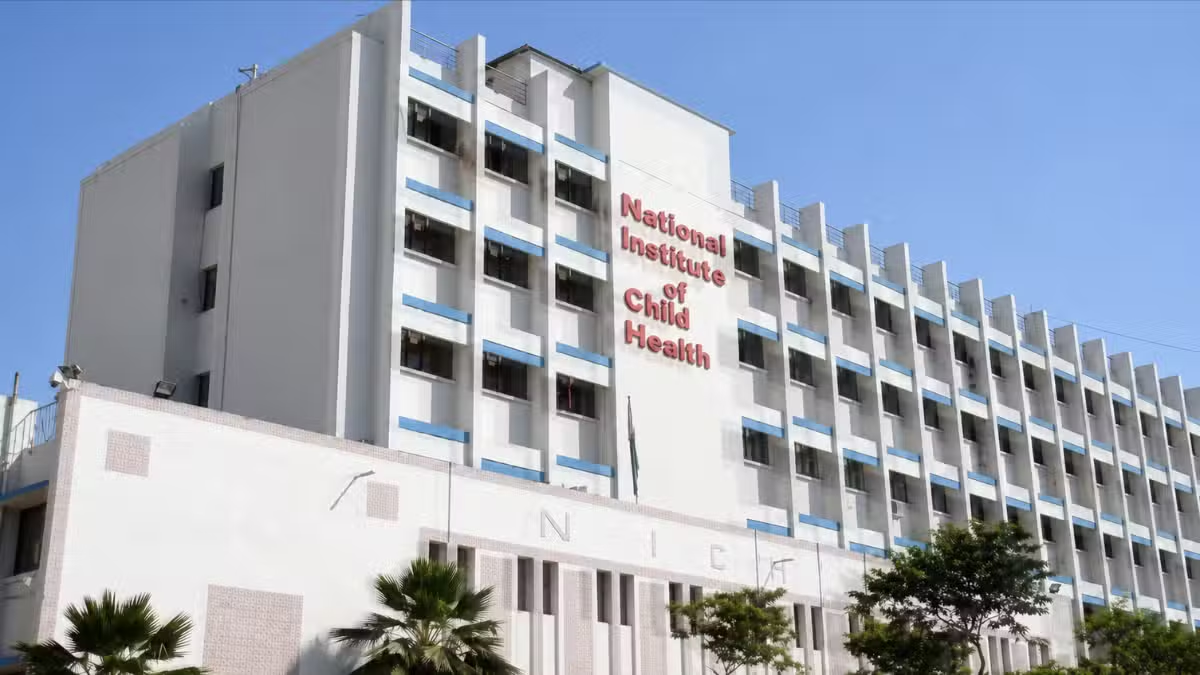
Serious fire safety concerns have emerged at the National Institute of Child Health (NICH) in Karachi after an official audit identified significant vulnerabilities on three floors of the hospital.
The fourth, fifth and sixth floors of the major children’s healthcare facility have been declared highly vulnerable to fire hazards, raising concerns about the safety of patients, families and healthcare workers inside the building.
The findings were highlighted during a fire safety audit conducted by the assistant commissioner of the Saddar sub-division. The assessment identified several shortcomings in different parts of the hospital.
The reported deficiencies also include areas linked to critical pediatric care, such as the Neonatal Intensive Care Unit (NICU), where patients require continuous medical supervision and rapid access to emergency services.
Fire safety is particularly important in a children’s hospital because many patients may be unable to evacuate independently. Newborns and critically ill children can require medical equipment and assistance during an emergency, making evacuation more challenging.
The identification of serious safety gaps at NICH therefore highlights the need for immediate attention to emergency preparedness, evacuation arrangements and fire protection measures within the hospital.
A hospital fire can create additional risks when corridors, exits, firefighting systems or emergency procedures are not adequately maintained. In departments caring for critically ill children, even a short disruption can have serious consequences.
The audit has brought renewed attention to the importance of ensuring that healthcare facilities meet essential fire safety requirements. Hospitals need effective emergency response systems that can protect patients while allowing medical staff to respond quickly during a crisis.
The concerns at NICH are also significant because the facility serves children who require specialized medical treatment. Maintaining a safe environment is an essential part of providing uninterrupted healthcare services.
Authorities and hospital management may now need to review the deficiencies identified by the audit and take appropriate corrective measures. Addressing potential hazards at an early stage can reduce the risks associated with fires and other emergencies.
The situation also underlines the broader importance of regular fire safety inspections at hospitals across Pakistan. Routine audits can help identify weaknesses in emergency systems before they become more serious threats.
For a healthcare facility handling vulnerable patients, fire prevention cannot be treated as a secondary issue. Proper safety systems, clearly accessible evacuation routes, emergency equipment and trained staff are vital components of hospital preparedness.
The fire safety findings at NICH Karachi have consequently raised important questions about the condition of safety arrangements within major public healthcare facilities and the need for timely action to protect patients, particularly children and newborns.