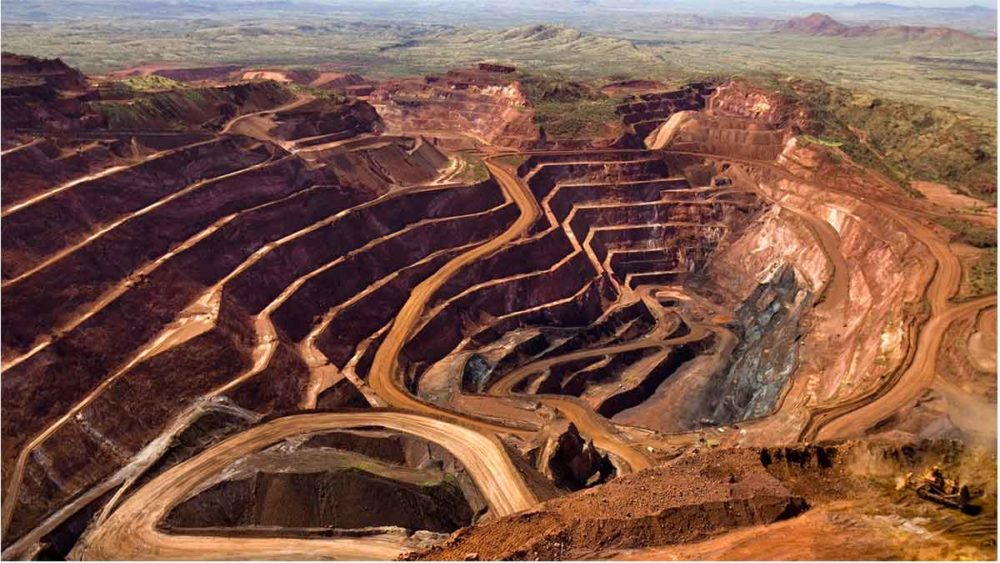
Mining and minerals are rapidly taking center stage in Pakistan–China economic relations, signaling a shift toward deeper industrial collaboration beyond traditional infrastructure and energy projects. This evolving partnership was clearly reflected at the Pak–China Mineral Cooperation Forum held at the Jinnah Convention Centre in Islamabad, which drew strong participation from both countries.
The forum brought together senior Pakistani leadership, diplomatic officials, policymakers, and private sector stakeholders, highlighting growing momentum in the mineral sector. A total of 71 Chinese companies and 133 Pakistani firms participated, with overall attendance crossing 850 delegates. The turnout underscored rising interest in unlocking Pakistan’s vast and largely untapped mineral potential through structured international partnerships.
Speaking at the event, Wang Huihua, Chairman of the China Chamber of Commerce in Pakistan (CCCPK), described mining as an emerging frontier in bilateral economic cooperation. He noted that Pakistan–China engagement is entering a more mature phase, where industrial development and resource-based collaboration are becoming central themes. According to him, the forum reflects a shared commitment to move beyond conventional projects and explore long-term value creation in minerals and mining.
CCCPK, he said, aims to play a facilitative role by encouraging responsible investment, promoting transparent dialogue, and building direct linkages between Chinese and Pakistani enterprises. The focus, he emphasized, is on sustainable practices that align with Pakistan’s development priorities while offering Chinese investors stable, long-term opportunities.
Pakistan is home to significant reserves of copper, gold, coal, rare earth elements, and industrial minerals, many of which remain underdeveloped due to technological gaps and limited investment. Chinese companies, with their experience in large-scale mining, processing, and downstream integration, are increasingly seen as key partners in bridging this gap.
Participants at the forum discussed joint ventures, technology transfer, exploration licensing, and value-added processing within Pakistan. Officials highlighted that future cooperation will prioritize local employment, skills development, and compliance with environmental standards to ensure inclusive growth.
The mineral sector’s inclusion as a strategic area of cooperation also aligns with the broader vision of the China–Pakistan Economic Corridor. While early phases of CPEC focused heavily on energy and transport infrastructure, policymakers now see mining as a natural next step to diversify economic cooperation and strengthen industrial capacity.
Pakistani representatives stressed that clear regulatory frameworks and investor-friendly policies are being developed to attract credible international players. They also emphasized that mineral development can boost exports, support industrialization, and reduce reliance on imports if managed effectively.
As global demand for critical minerals continues to rise, Pakistan’s resource base offers strategic relevance. The Islamabad forum marked a clear signal that both Islamabad and Beijing are ready to elevate mining into a core pillar of their economic partnership, setting the stage for deeper cooperation in the years ahead.