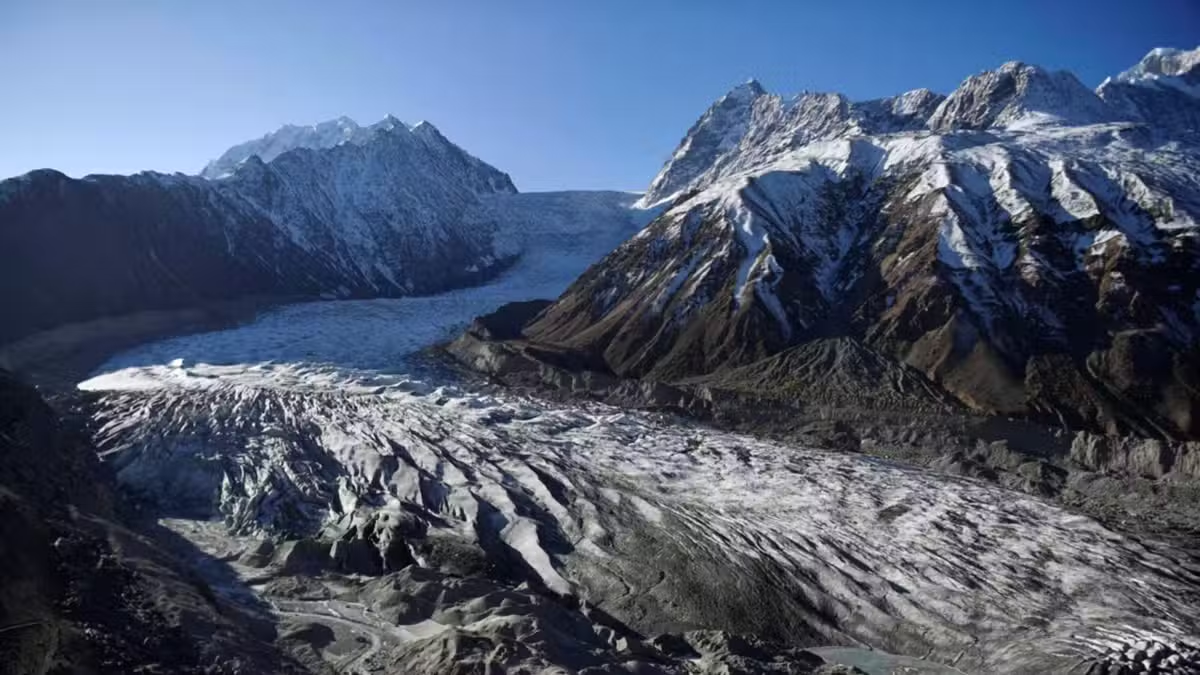
Millions of people living near major rivers in the Himalayan region could face increasing danger from glacial floods as climate change accelerates the melting of glaciers, the United Nations has warned.
Kanni Wignaraja, an assistant secretary-general at the United Nations and regional director for Asia and the Pacific at the United Nations Development Programme (UNDP), highlighted the growing threat during discussions on climate-related risks in the region.
Glacial floods can occur when melting glaciers contribute to the rapid release of water from glacial lakes. As temperatures rise, these lakes can expand and become increasingly vulnerable to sudden breaches, potentially sending large volumes of water downstream.
The risk is particularly concerning for communities located along major river systems that originate in the Himalayas. Millions of people depend on these rivers for drinking water, agriculture, energy production and other essential activities.
The warning also carries significant implications for countries across South and Central Asia, where Himalayan rivers support densely populated communities and important economic sectors.
According to the UN official, the threat from glacial flooding extends beyond immediate loss of life and property. Hydroelectric power systems could also be exposed to greater risks as changing water flows, floods and unstable mountain environments place additional pressure on infrastructure.
Some areas along riverbanks could eventually become difficult or even impossible to inhabit if climate-related hazards continue to intensify. Communities located in vulnerable valleys and downstream areas may face repeated disruptions from floods and other extreme weather events.
The Himalayan region is particularly sensitive to climate change because glaciers serve as important natural reservoirs. Their gradual melting provides water to rivers, but rapid glacier loss can increase short-term flood risks while creating concerns about future water availability.
For countries that rely heavily on mountain water resources, the changing condition of glaciers represents both an environmental and economic challenge. Agriculture, hydropower, drinking water supplies and local livelihoods can all be affected by changes in river flows.
The UN warning underscores the need for stronger disaster preparedness, early-warning systems and climate-resilient infrastructure in vulnerable Himalayan communities. Better monitoring of glaciers and glacial lakes can also help authorities identify potential flood threats before they become disasters.
The growing risk of glacial floods is another indication of how climate change is affecting mountain regions and communities far beyond the areas where glaciers are located.
As Himalayan glaciers continue to experience the effects of rising temperatures, governments and international organisations face increasing pressure to strengthen adaptation measures and protect populations living downstream.