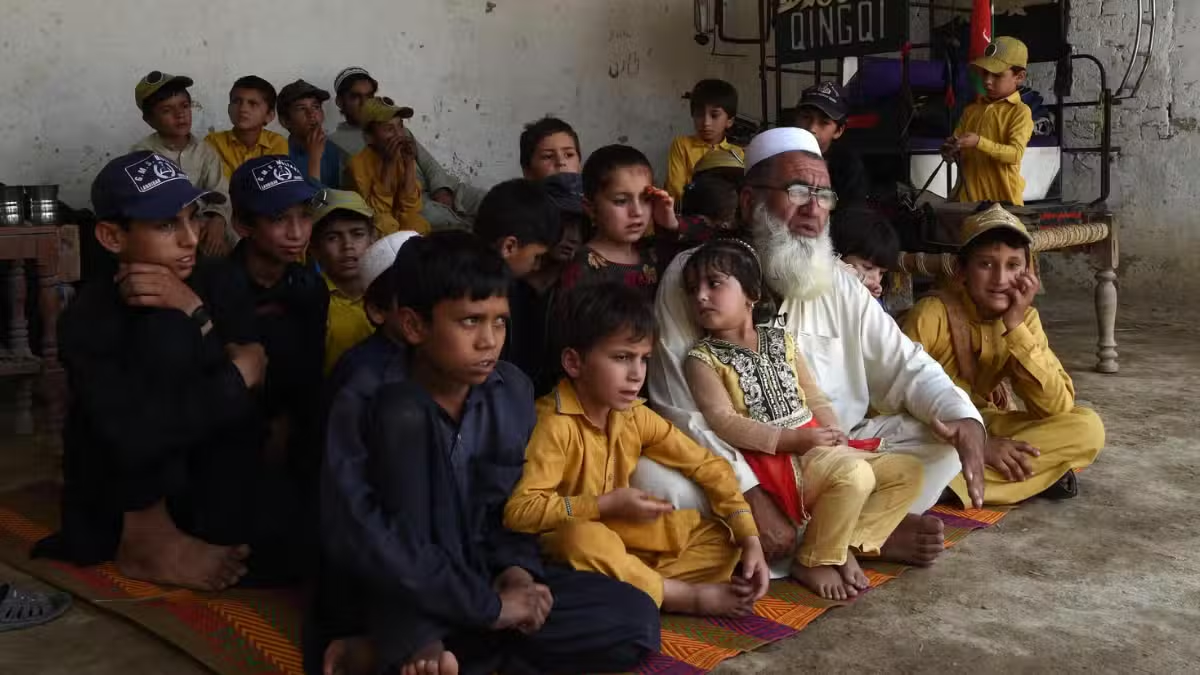
Prime Minister Shehbaz Sharif has unveiled an ambitious national strategy aimed at significantly slowing Pakistan’s population growth over the next decade. The government plans to reduce the country’s annual population growth rate from 2.55 percent to 1.25 percent by 2035, describing the initiative as a crucial step toward ensuring long-term economic stability and sustainable development.
The announcement was made during a high-level population welfare meeting held in Islamabad, where the prime minister emphasized that rapid population growth remains one of Pakistan’s most pressing national challenges. He stressed that managing population growth is not only a policy objective but also a shared national responsibility that requires cooperation from governments, institutions, and citizens alike.
According to Prime Minister Shehbaz Sharif, effective population planning should be closely linked with economic growth, improved human resource development, and the country’s broader development agenda. He noted that balancing population growth with available resources would help create better opportunities in education, healthcare, employment, and public services.
The government believes that slowing population growth will allow Pakistan to invest more effectively in its people while improving the quality of life for future generations. Officials argue that sustainable population management can ease pressure on infrastructure, housing, food security, water resources, and social welfare systems, all of which are increasingly strained by a rapidly expanding population.
During the meeting, the prime minister called for stronger coordination between the federal and provincial governments to ensure that population welfare policies are implemented effectively across the country. He directed relevant ministries and departments to work together in developing practical solutions that address regional challenges while supporting national development goals.
A major focus of the strategy will be expanding public awareness campaigns about family planning and responsible parenthood. The government intends to increase community engagement through educational initiatives that encourage informed decision-making and improve access to population welfare services. Officials believe that greater awareness can play a key role in achieving the country’s long-term demographic targets.
Prime Minister Shehbaz Sharif also highlighted the importance of integrating population planning into Pakistan’s overall economic framework. He said that a balanced population growth rate would strengthen the country’s workforce, improve productivity, and contribute to sustainable economic progress. By aligning demographic planning with development policies, the government hopes to build a stronger foundation for future growth.
Experts have long pointed to rapid population growth as a factor influencing Pakistan’s development challenges, including unemployment, urban expansion, healthcare demand, and educational needs. The new strategy seeks to address these issues through coordinated policymaking and long-term planning rather than short-term interventions.
The government’s target of reducing the population growth rate by nearly half by 2035 represents one of Pakistan’s most significant demographic policy initiatives in recent years. Success will depend on effective implementation, public participation, and continued collaboration between federal and provincial authorities.
As Pakistan works toward its development goals, officials believe that responsible population management will remain an essential pillar of national planning, helping the country create a more sustainable and prosperous future for its growing population.