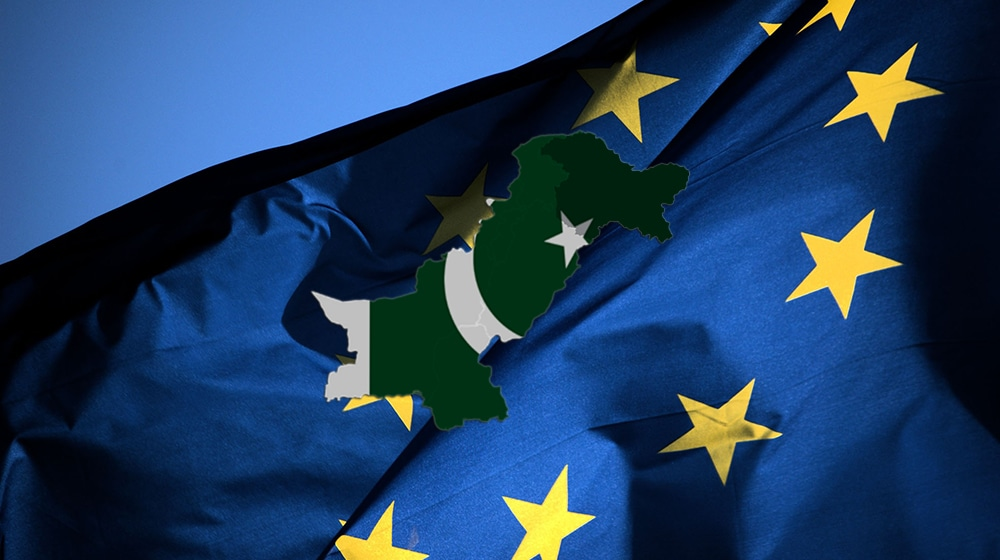
Pakistan’s export-driven economy could face a serious challenge if its preferential trade access to European markets is withdrawn. Business leaders are warning that the potential loss of GSP Plus status may result in annual export losses of up to $9 billion, impacting key industries across the country.
The concern was highlighted during a press briefing by the Federation of Pakistan Chambers of Commerce and Industry in Lahore. Industry representatives emphasized that the GSP Plus arrangement remains a cornerstone of Pakistan’s export growth, particularly in maintaining competitiveness in international markets.
The GSP Plus (Generalized Scheme of Preferences Plus) allows Pakistan to export a wide range of products to the European Union without paying duties. This benefit significantly lowers costs for Pakistani exporters, enabling them to compete with suppliers from other regions.
Sectors such as textiles, leather goods, and surgical instruments are among the biggest beneficiaries of this trade advantage. These industries rely heavily on European markets, and the removal of duty-free access could sharply reduce demand due to higher prices.
Business leaders have warned that losing this status would not only affect export volumes but also threaten employment and industrial output. The textile sector, in particular, which forms the backbone of Pakistan’s exports, could see reduced orders and shrinking margins.
Experts note that without GSP Plus, Pakistani products may struggle to maintain their position in the European market, as competitors from countries with similar trade benefits could gain an edge. This shift could lead to long-term consequences for the country’s trade balance and foreign exchange earnings.
The situation underscores the importance of maintaining compliance with international standards tied to the GSP Plus framework. Policymakers and industry stakeholders are increasingly focused on ensuring that Pakistan retains its eligibility to avoid economic disruption.
As global trade dynamics continue to evolve, safeguarding preferential access remains critical for sustaining Pakistan’s export momentum and protecting key industries from potential financial shocks.